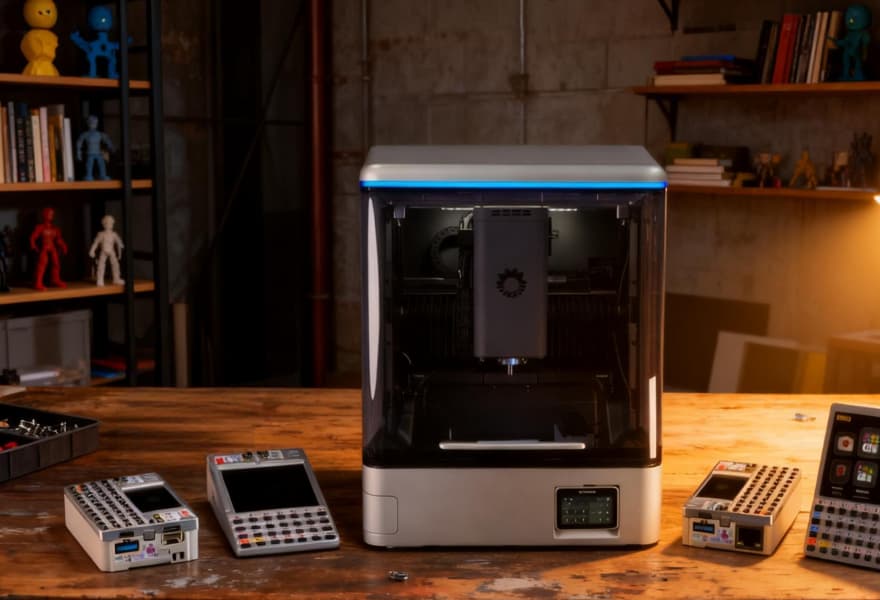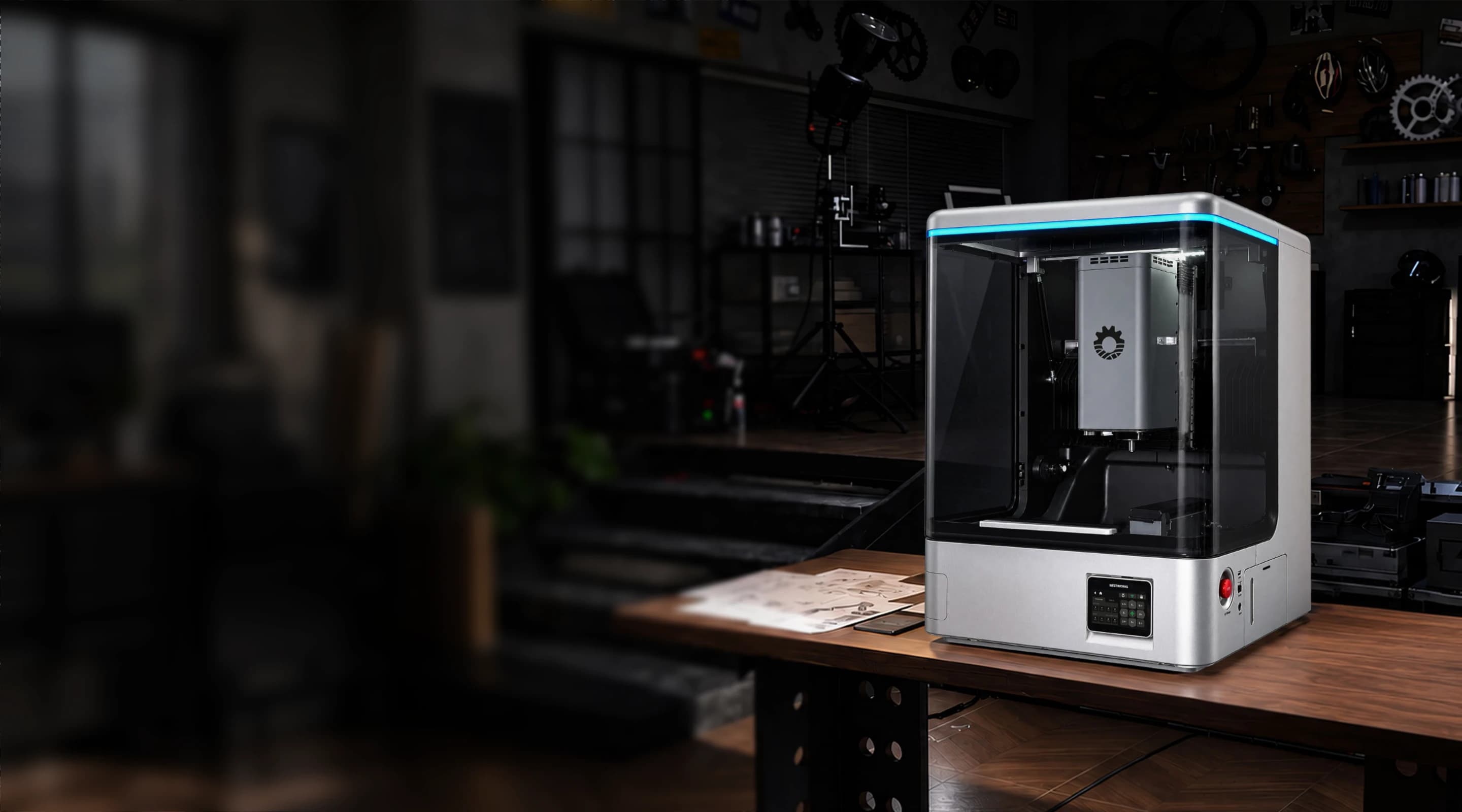
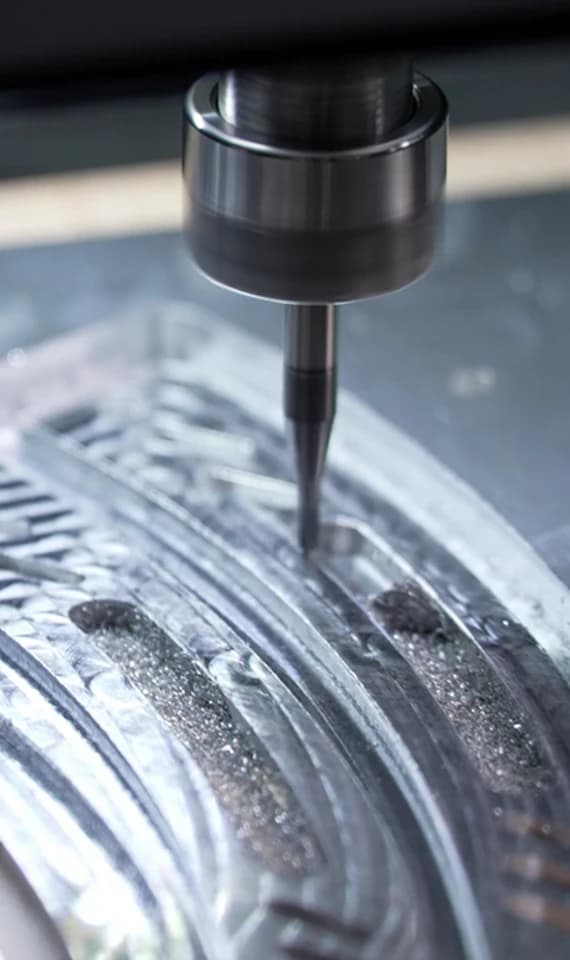
NestWorks C500 desktop CNC for consumer product prototypes

Consumer Products & EDC

Machining Precision and Quality for Your Consumer Products

Fit, movement, material, and finish all influence the final product experience. Desktop CNC provides a controlled way to transform designs into functional metal prototypes.

Contact Us

When the Mechanism Becomes Part of the Product

Material feel, mechanical movement, fit, and surface quality all influence the final experience. For designers, digital models are often not enough. Real products need real materials and functional assemblies to validate the design.

CNC machining provides a direct path from CAD to physical components, allowing creators to test mechanisms, refine details, and evaluate products before larger manufacturing steps. For this project, we explored this workflow through two original designs: a multi-part butterfly trainer and a rotating brass storage case.

Explored this Workflow

A multi-part butterfly trainer and a rotating brass storage case.

Together, they demonstrate how desktop CNC can help turn complex consumer product ideas into functional metal prototypes.

Key Specs:

Materials
Aluminum Alloy, Stainless Steel, and Brass
Full-Brass Construction
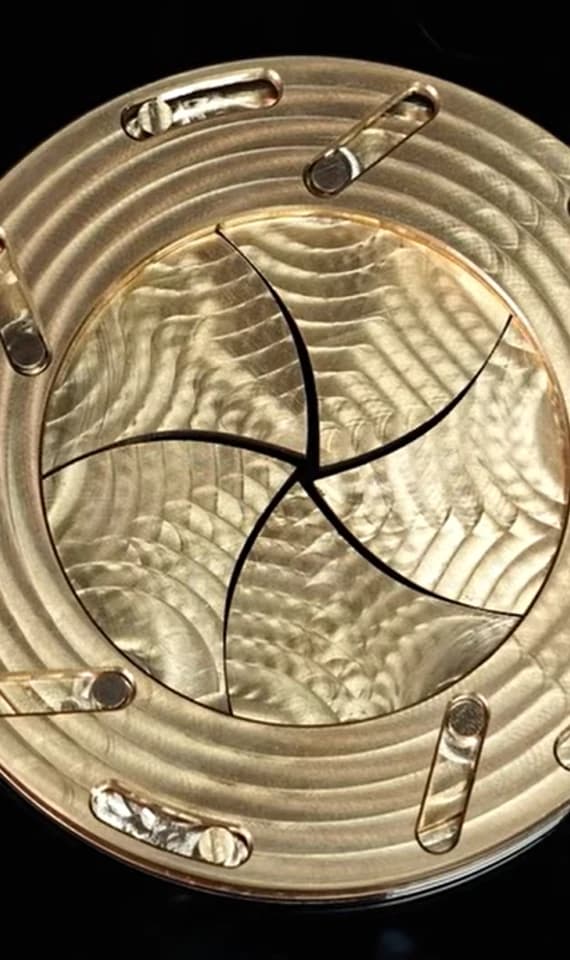
Rotating mechanical case machined from brass components
Machining
Multi-Setup CNC Milling + Secondary Machining
Finishing
Profile Machining, Detail Milling, and Chamfering
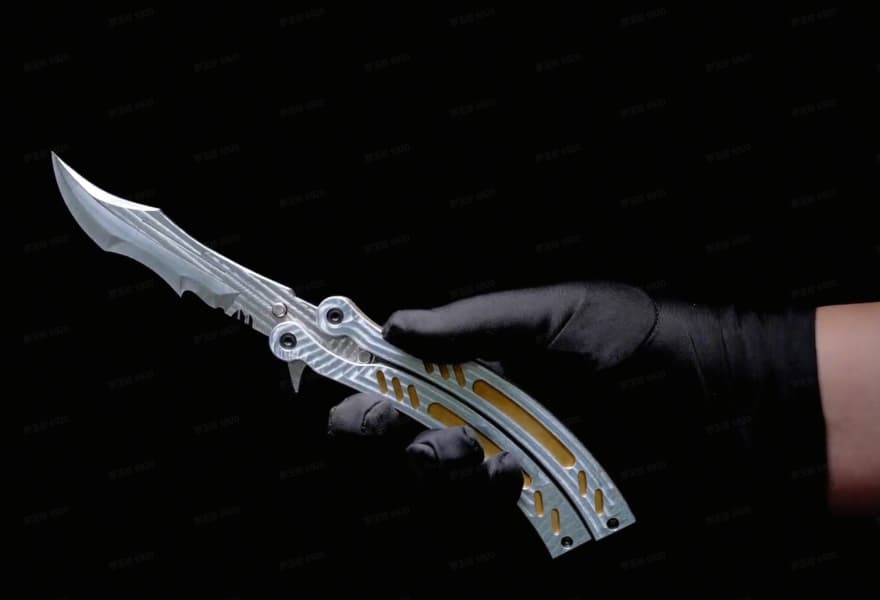
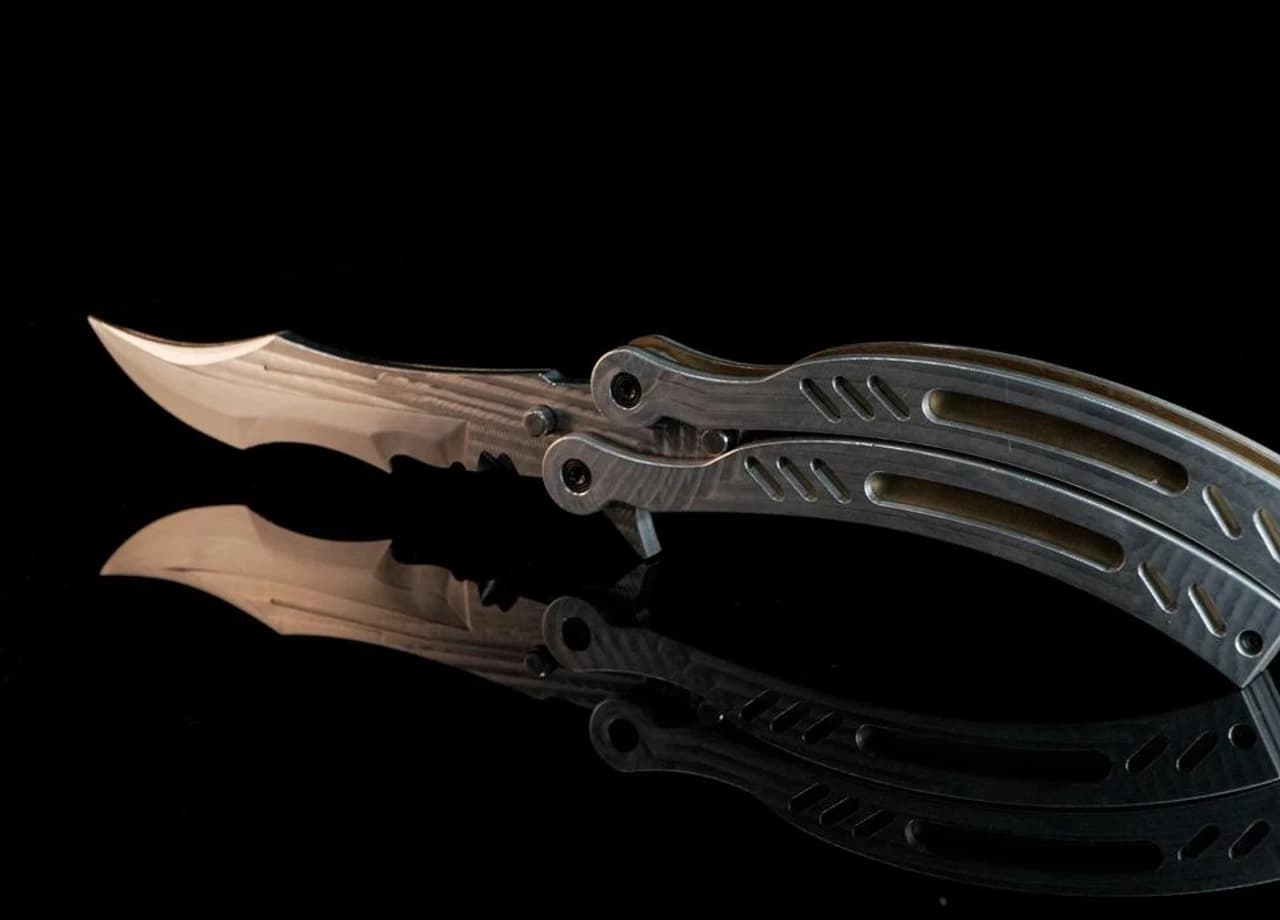
CNC-machined metal butterfly knife

From Machining to Assembly

How NestWorks C500 Builds Functional Consumer Hardware

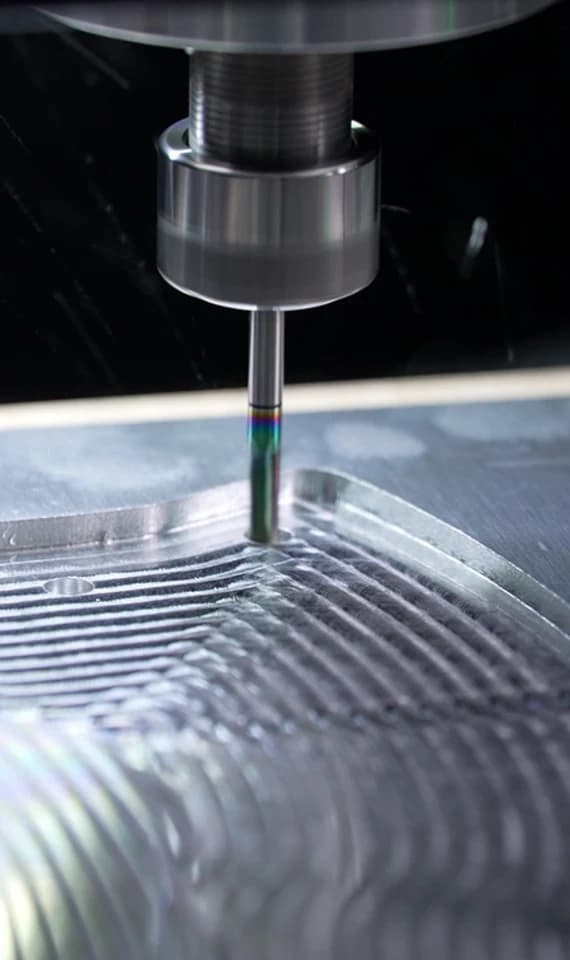
Machining components from multiple materials
Multi-Material Part Machining
Secondary-side machining of a consumer product component
Secondary-Side Machining
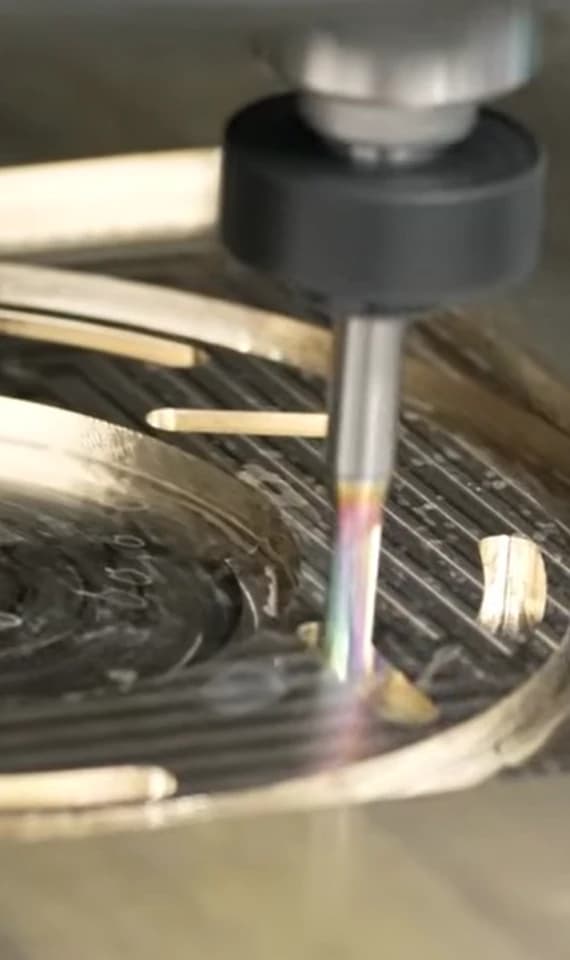
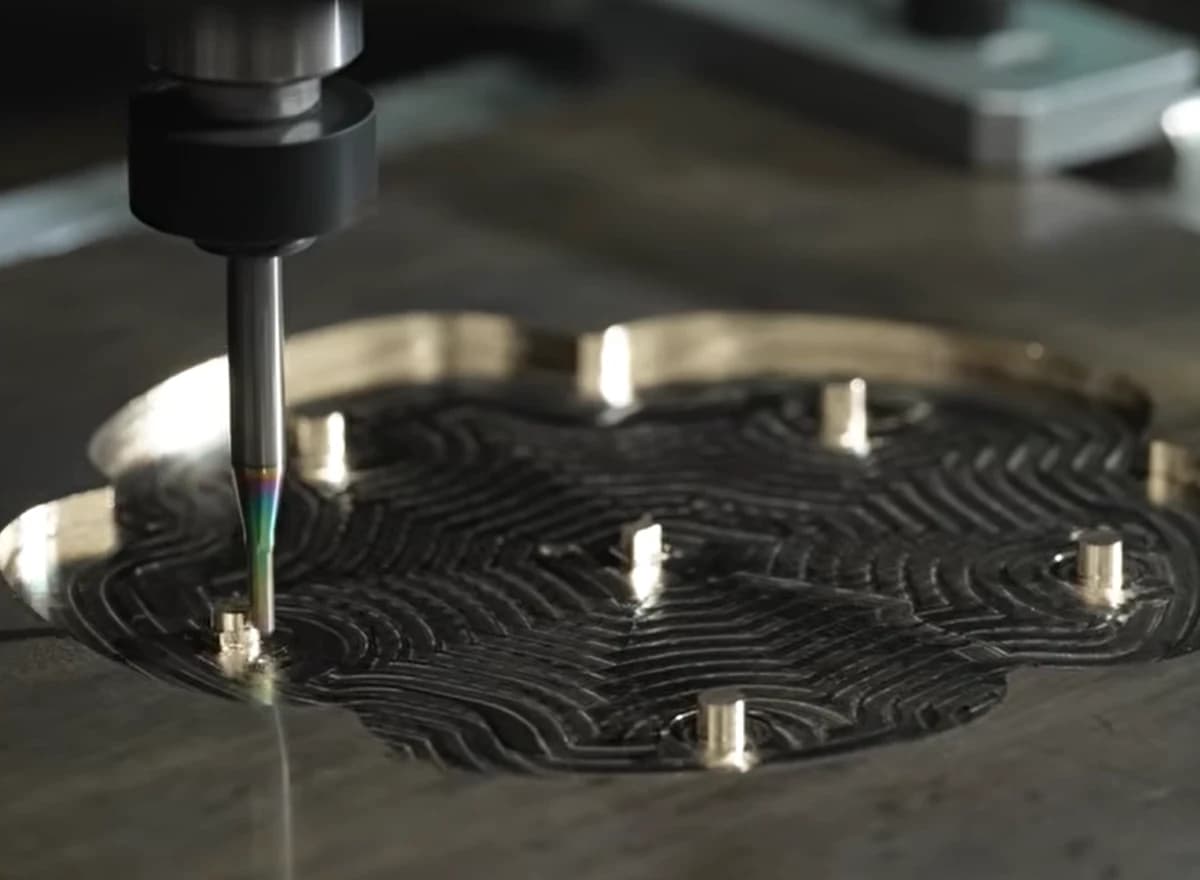
CNC machining of a brass component
Brass Component Machining
Assembled rotating brass storage case
Final Assembly

Challenges & Solution

Machining components for the rotating storage case

Challenges

Balancing Fit, Movement, and Finish Across Multiple Parts

For consumer products, dimensional accuracy is only one part of the challenge. Multiple components must work together to achieve proper fit, smooth movement, and consistent surface quality. The butterfly trainer combines aluminum alloy, stainless steel, and brass components into one mechanical assembly, while the brass case requires precise alignment between the rotating cover and the main body. In both designs, individual parts could not be evaluated separately. Their performance depended on how well the components interacted after machining and assembly.
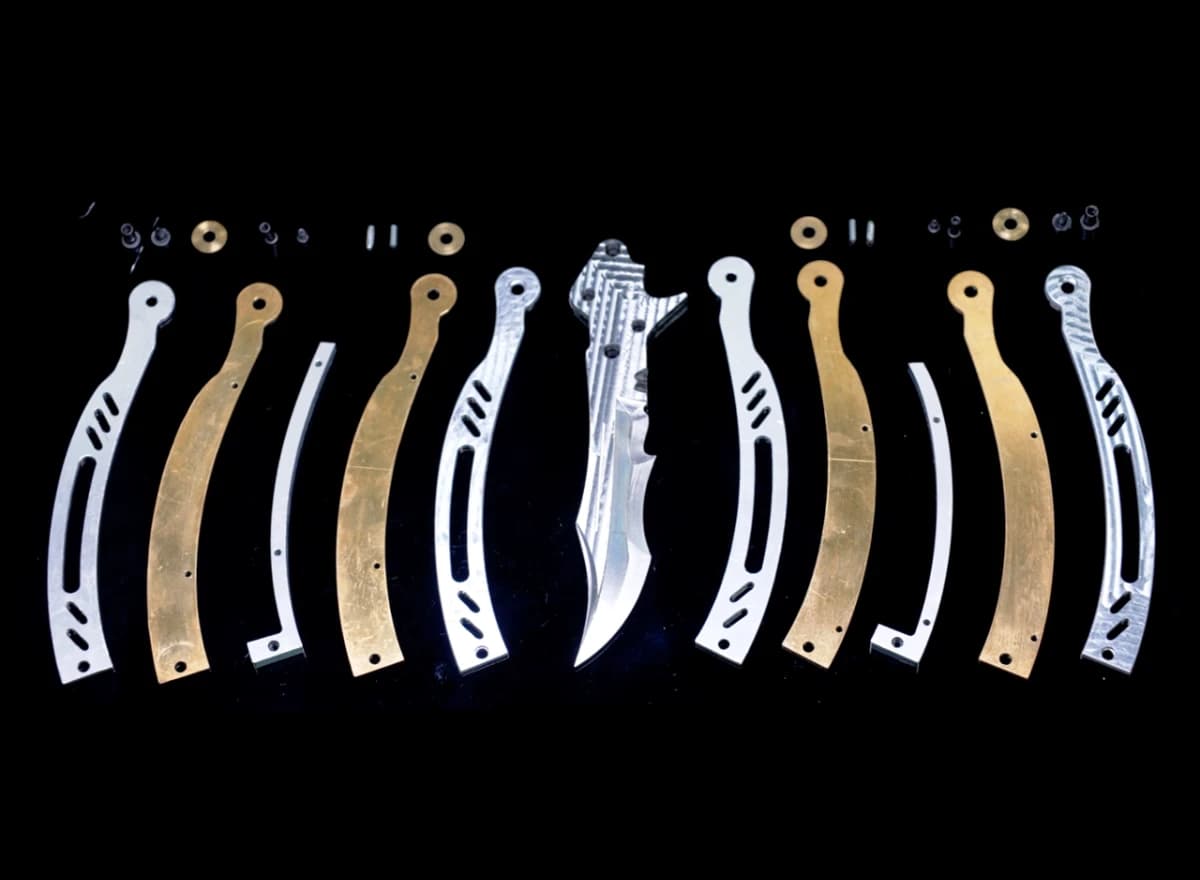
Machined butterfly trainer components before assembly

Solution

Machining Each Part Around the Final Assembly

Primary profiles were created first, followed by holes, slots, mechanical details, and finishing operations based on each part’s requirements. Different machining strategies were applied according to material, geometry, and function. After machining, the components were assembled and evaluated as complete products to verify alignment, movement, fit, and interaction between mating parts. By testing the assembled products with real machined components, designers could identify potential issues that may not be visible in the CAD model alone.

From Machined Components to Functional Products

The butterfly trainer combined aluminum alloy, stainless steel, and brass components, with different machining approaches used for each material group.

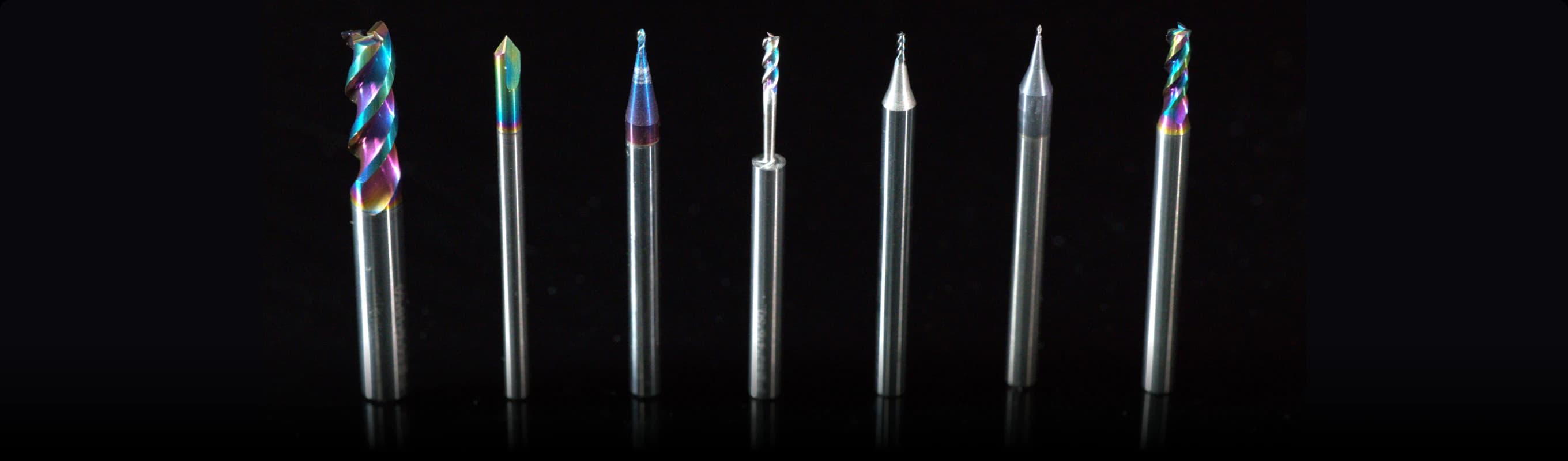
Tool Notes

T01 - D6 Three-Flute Flat End Mill
Primary material removal and larger profiles
T02 - D4 Three-Flute Flat End Mill
Intermediate profile machining
T03 - D3 Three-Flute Flat End Mill
Contours, pockets, and secondary features
T04 - D2 Three-Flute Flat End Mill
Smaller internal and profile features
T05 - D1 Three-Flute Flat End Mill
Fine details and narrow features
T06 - R1/02 mm Ball End Mill
Curved and contoured surfaces
T07 - D3 Chamfer Tool
Edge finishing on selected components
Seven CNC cutting tools

Custom Metal Parts Without Dedicated Tooling

Moving directly from CAD to machined components makes it practical to test mechanical structures in real materials. Both projects were produced as individual CNC-machined parts before final assembly, without requiring dedicated molds or casting tooling. For compact consumer hardware, this approach makes it easier to evaluate fit, movement, material choice, and surface design directly on the finished metal components.

Traditional outsourced manufacturing

Traditional Outsourcing

NestWorks C500 in-house manufacturing

NestWorks C500

Lead Time

7-10 days

Lead Time

1-2 Days

Estimated Cost

$800 - 1200

Estimated Cost

$80 - 150

Design Iteration

2-3 days of supplier communication for each revision

Design Iteration

Same-day file updates and internal modification

Prototype Flexibility

Changes depend on supplier schedule and queue

Prototype Flexibility

Produce 1/5/10+parts as needed

Development Control

External coordination required at each step

Development Control

Faster in-house validation of fit, movement, and finish